



Life on a Sandbar
I was talking to a friend the other day, and she observed that the most dangerous part of vacationing on the Outer Banks is that once you visit, you may not want to leave. It was an accurate description of what happens so many times when people stop by for a week or two. It’s why so many families come back year after year. And it is why people move here.
Is the Outer Banks perfect? Of course not. No place is. For the most part, the weather cooperates. Warm, bordering on hot in the summer, and cool but not quite cold in the winter. But about once every four to five years a hurricane will come close to making landfall or makes landfall. There is nothing good that can be said about that. Nor’easters are much more frequent, two or three every winter, and things can be kind of miserable for two or three days.
For the most part though, it’s eight months of shorts weather, three months of long pants and one month of take your pick.
Of course, the weather is not what makes a place so great to visit, live in, or raise a family. There are certainly other places that have mild winters and warm summers, yet do not have nearly the appeal of the Outer Banks.
What it comes down to for this sand bar by the sea is simple…it’s all about community.
From Carova at the far north end on the Virginia state line, south to Ocracoke Village it’s about 125 miles. There are three counties: Hyde, Dare, and Currituck, although almost all of the Outer Banks is in Dare County. There are maybe 40,000 year round residents, give or take 100, and innumerable villages and towns, large and small.
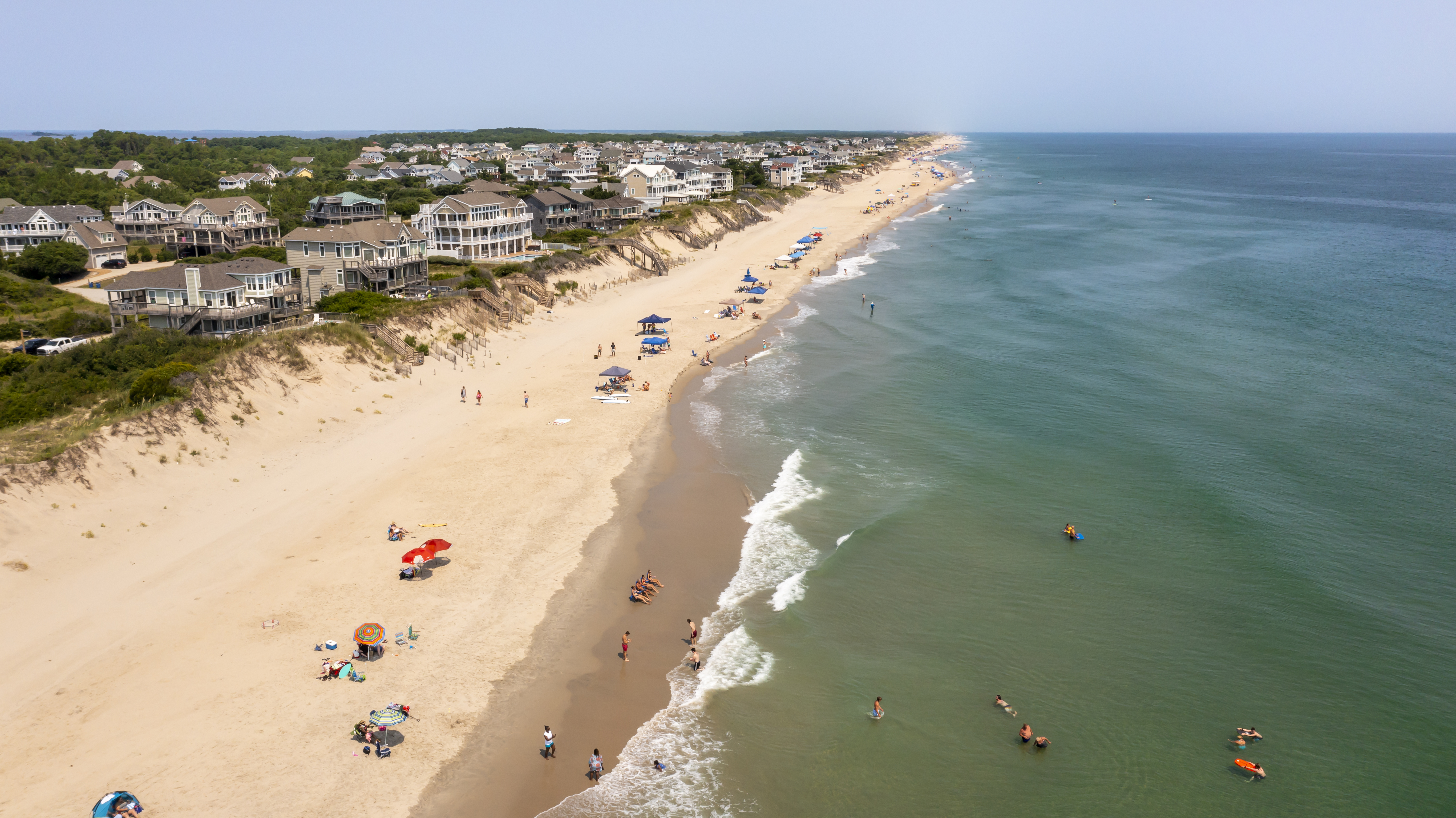
And the one thing all of those villages and towns have in common is a remarkable sense of community; of watching out for each other and caring about family and friends.
Visiting for a week or two in the summer, along with 250,000 or so other vacationers, it’s hard to get a sense of the small town feel that is so much a part of local life. But come back for a week or two, or even a month, anytime from October through April, and there’s a good possibility that leaving will become difficult if not painful.
A strong community, of course, is more than people caring about neighbors. It’s all those other things that go into creating a vibrant place to live, a place that offers a wide range of possibilities for the people who are lucky enough to call this home.
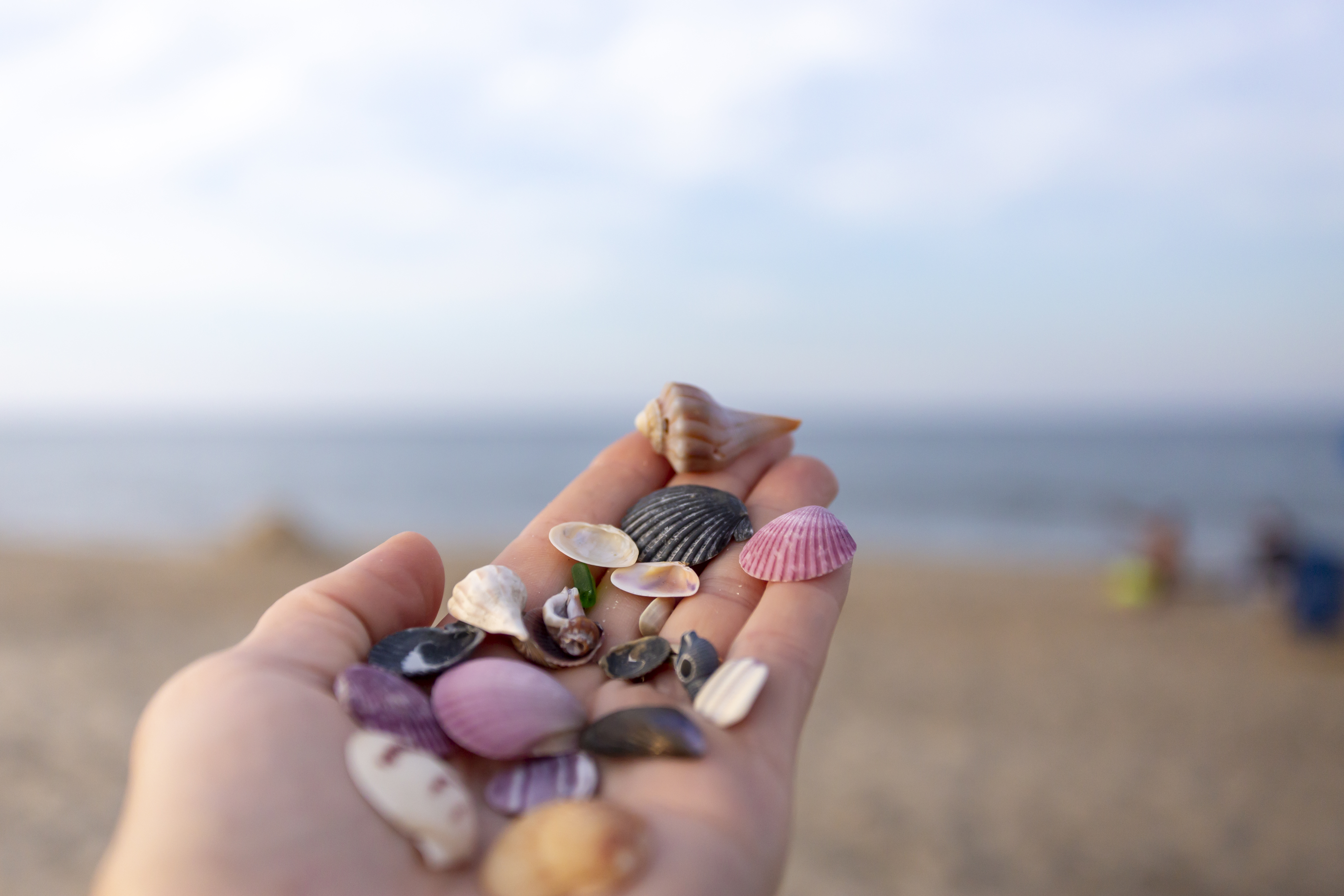
The beach, of course, has always been a part of Outer Banks life, and for those of us who live here, we love it. The beach, however, is not just a place to spread a towel out in the summer and bask in the sun. It’s much more of a place for surfing in the offseason or throwing a line in the water and seeing what will bite, or sometimes something as simple as searching for sea glass where the waves end.
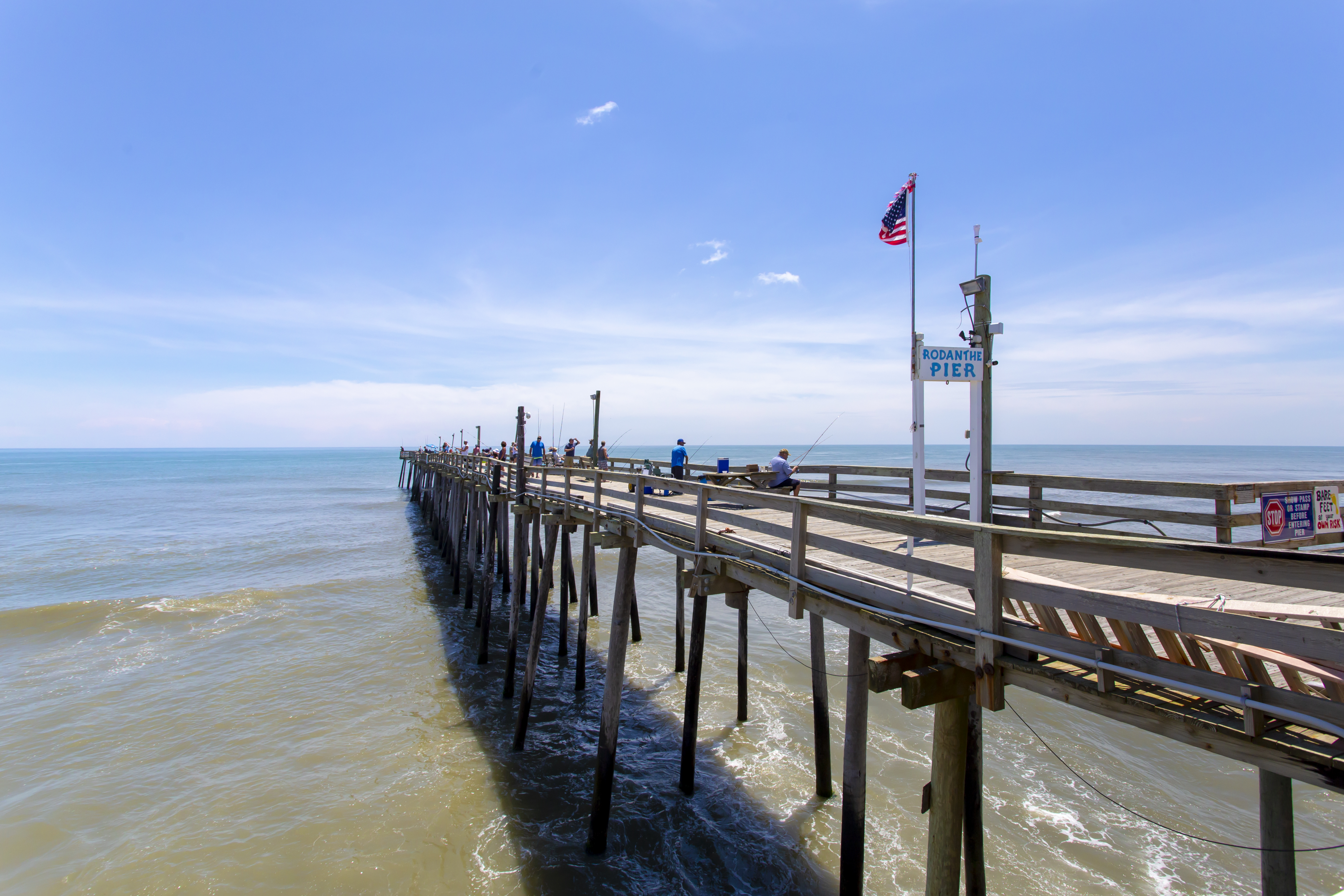
Away from the beach, though, on the western side of the sandbars, there is a world apart from the shoreline—a place of verdant maritime forests and surprisingly hilly terrain (really Nags Head Woods and Buxton Woods have honest to goodness hills). Or head down to Pea Island National Wildlife Refuge (PINWR) for truly world-class bird watching.
Speaking of PINWR, one of the coolest things to do is to head out with the experts in October and again in December for the annual Wings over Water Festival. Of course, Wings Over Water is just one of the many special events tied to Outer Banks outdoor activities. There are spring and fall surfing contests, innumerable fishing tournaments—some offshore and some in the surf.

Those events have become part of the local culture, annual events that celebrate so much of what is best about life by the sea.
The sea, its power, mystery, and abundance are an integral part of what has created the Outer Banks that we know today. The rich heritage of fishing as a way of life reaches far back into our history. Fishing was an integral part of the life of Native peoples even before the 1580s and the Sir Walter Raleigh expeditions, leading the Lost Colony, the failed attempt by the English to establish a permanent presence on Roanoke Island. That is where artist and Governor of the expedition, John White, painted a picture of Native peoples bringing fish to trade for goods.
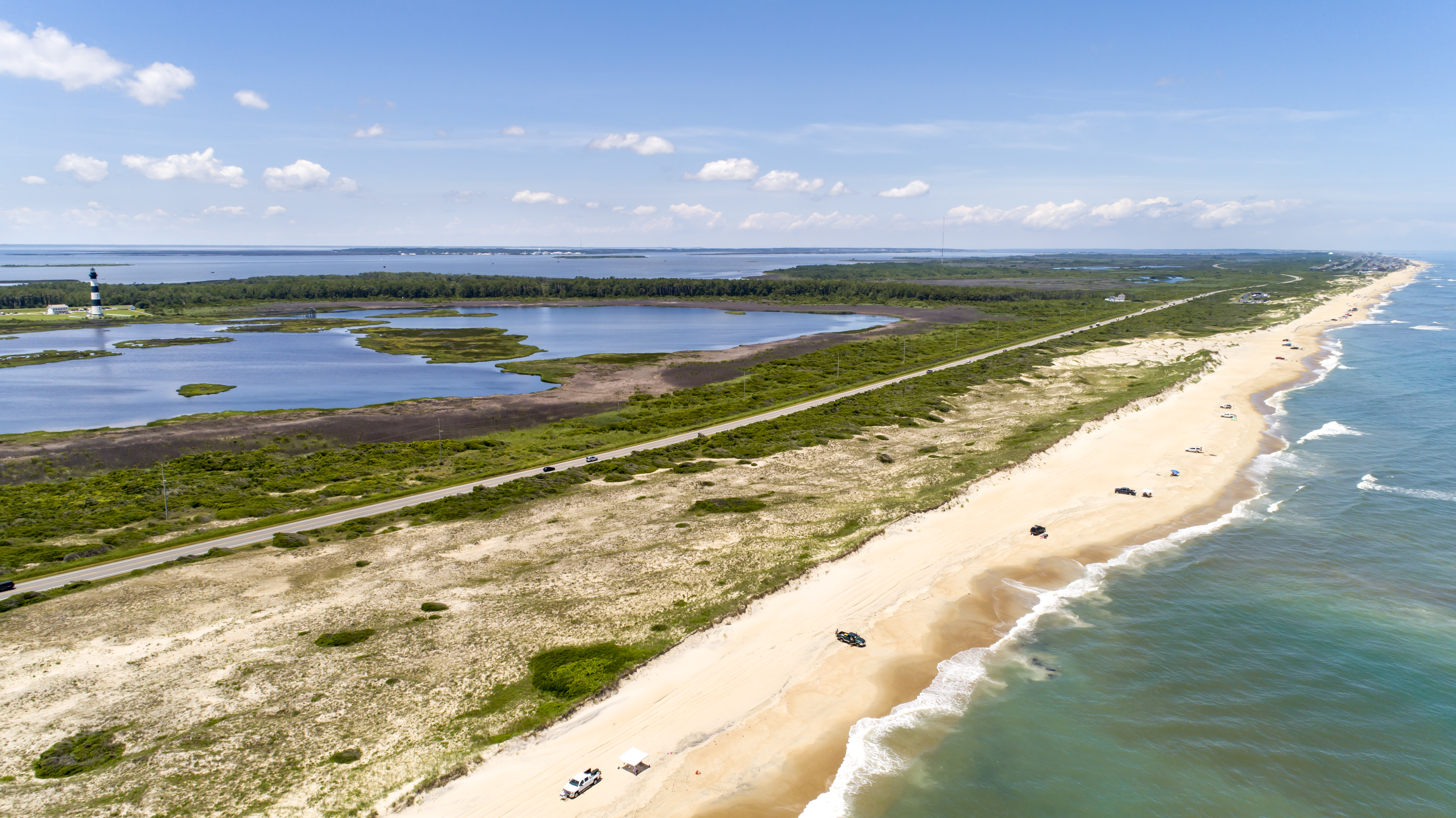
That fishing culture is celebrated every year at the Seafood Festival, an extraordinary opportunity to try great seafood from local chefs and learn what it means to earn a living working the waters of the sounds and sea.
Cultures everywhere evolve and change over time, and the Outer Banks is no different than any other place in that regard. Hang gliding has been a part of local life for over 50 years, which has led to two truly unique festivals—the Annual Hang Gliding Spectacular at Jockey’s Ridge State Park in Nags Head and Brewtag, a festival that poses the question, “If man can fly, why can’t beer?”
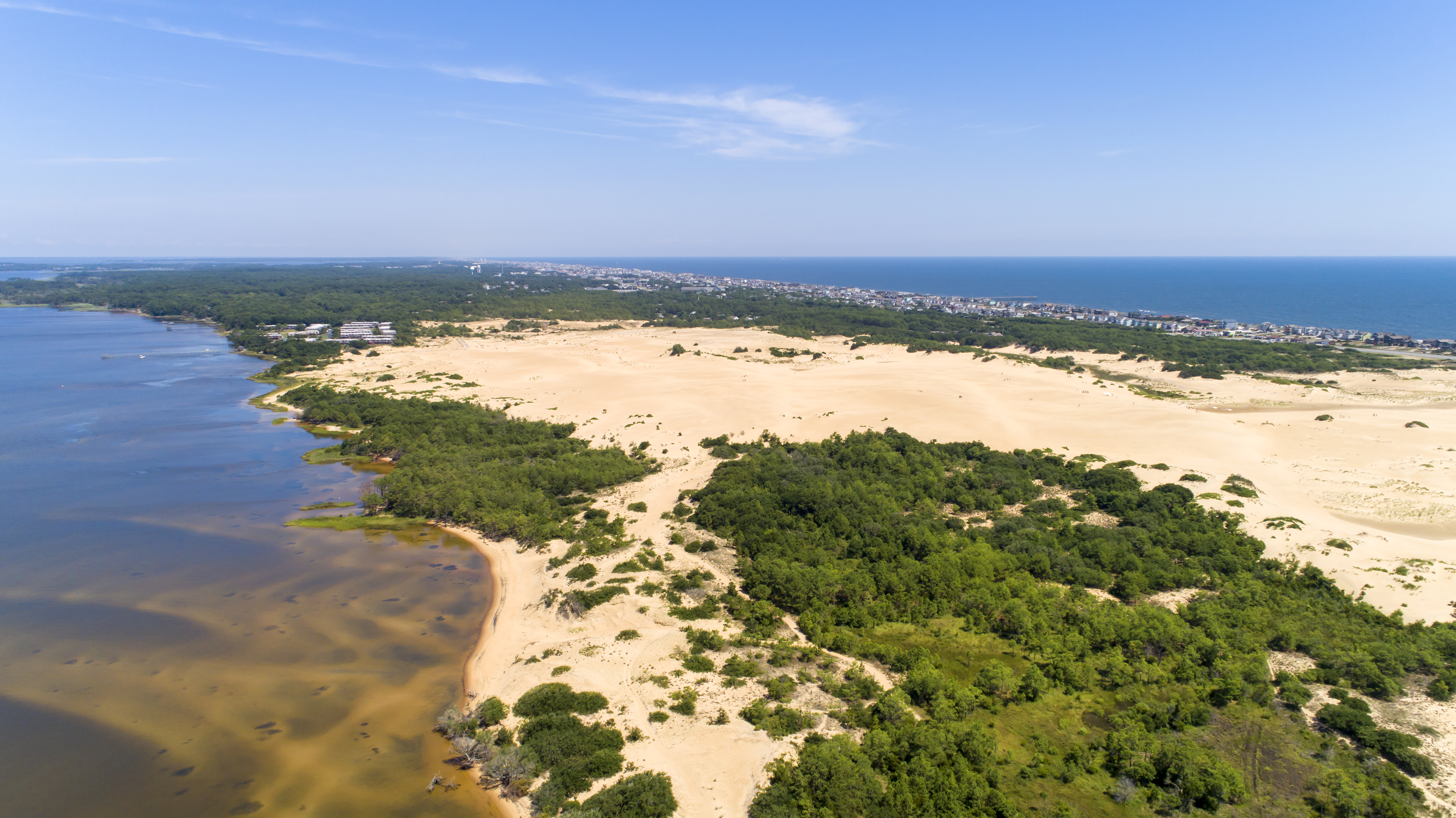
What makes the Outer Banks such an amazing place is more than the festivals and tournaments—there is a wonderfully vibrant arts and culture aspect to local life. There are hints of that in the summer, when samples of local artists’ creativity are on display in art galleries and specialty stores from Corolla to Ocracoke.
That, however, is just one part of a much larger story. Because life is so hectic in the summer for those of us who live here, it’s really difficult to schedule some of the wonderful offseason cultural events that make life from late fall to early spring so enjoyable.
There are gallery shows at the Dare Arts Gallery in Manteo as well as at other galleries from September through April. The Theater of Dare stages six to seven plays every year. They also offer summer camps for kids as well. There are two nonprofit organizations, the Bryan Cultural Series and the Outer Banks Forum, that bring live music and performances to venues across the Outer Banks. There are also two or three film festivals every year. And that doesn’t even include the food festivals and various cook-offs that happen throughout the offseason.
All of this is a long and winding way to describe what life is really like on the Outer Banks. Certainly far more complex and nuanced than may appear at first, but rich and rewarding for those of us lucky enough to live here. To be clear, we love the summer, but there is so much more to life on these sandbars.